The global insect repellent market is undergoing a fundamental shift. Consumers and retailers are increasingly moving away from synthetic chemical formulations like DEET and permethrin toward plant-based alternatives. This ‘de-DEET’ trend is reshaping retail shelves worldwide and creating significant opportunities for manufacturers of botanical repellent products.
The DEET Problem
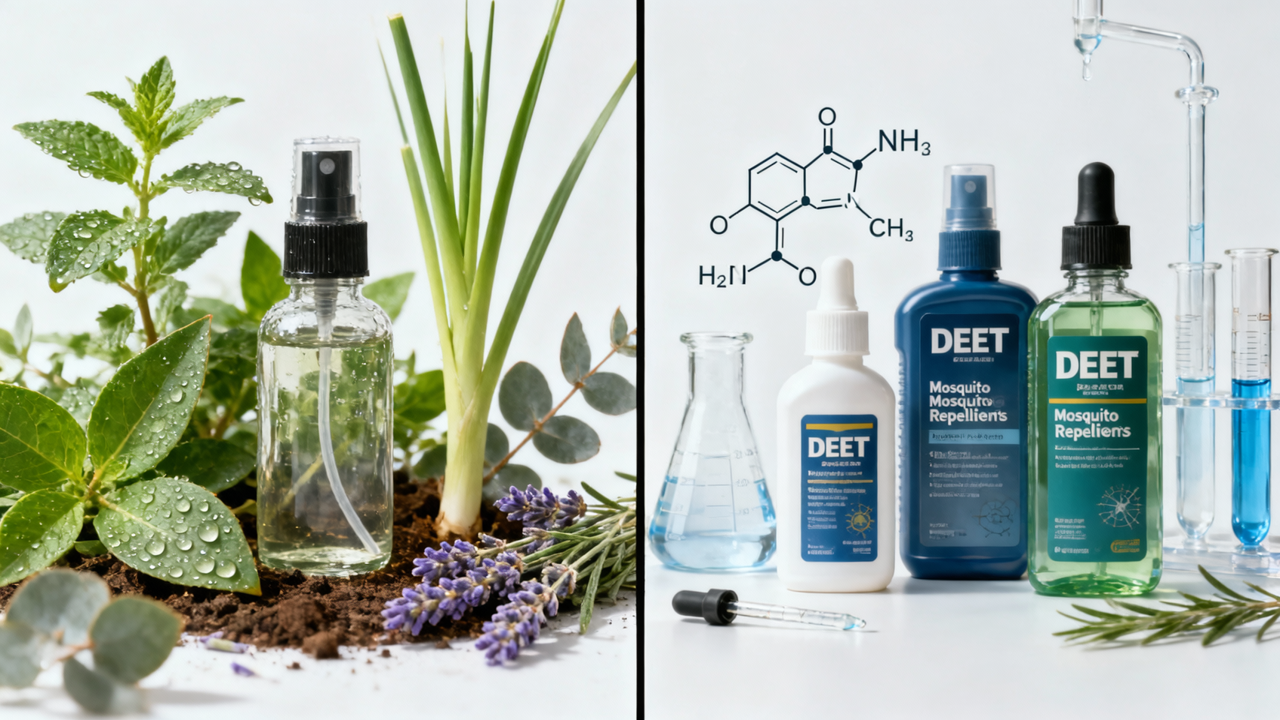
N,N-Diethyl-meta-toluamide (DEET) has been the gold standard in insect repellent since its development by the US Army in 1946. However, growing consumer concerns have eroded its market dominance:
- Skin irritation — DEET can cause rashes, especially with prolonged use or on sensitive skin
- Neurological concerns — Studies suggest potential neurological effects with excessive exposure
- Plastic degradation — DEET dissolves plastics, synthetics, and painted surfaces
- Environmental persistence — DEET residues have been detected in waterways and groundwater
- Child safety restrictions — Health agencies recommend lower DEET concentrations for children
- Odor — Many consumers find DEET’s chemical smell unpleasant
The Plant-Based Alternative
Plant-based repellents use botanical compounds that repel insects without killing them. Common active ingredients include:
- Mugwort (Artemisia argyi) — Our primary active ingredient, proven effective in traditional use
- Citronella — The most widely known botanical repellent
- Eucalyptus (oil of lemon eucalyptus) — CDC-recommended plant-based alternative
- Neem — Traditional Indian botanical with repellent properties
- Peppermint — Repels mosquitoes and provides a pleasant scent
Why Consumers Are Switching
Safety Perception
Parents, pregnant women, and health-conscious consumers increasingly seek products they perceive as safer. Plant-based formulations with recognizable ingredients provide confidence that chemical names cannot.
Environmental Awareness
Millennials and Gen Z consumers factor environmental impact into purchasing decisions. Biodegradable, plant-based products align with sustainability values.
Indoor Use Suitability
Plant-based repellents are safer for enclosed spaces — no toxic fumes, no chemical residue on surfaces, and safe around food preparation areas.
Scent Experience
Botanical repellents offer pleasant natural fragrances, unlike the harsh chemical odor of DEET-based products. This is a significant differentiator for home care and personal use products.
Retail Market Evidence
The shift is visible in retail data:
- Amazon search trends — “natural mosquito repellent” searches have grown steadily year-over-year
- Premium retail positioning — Plant-based products command 20-40% price premiums over chemical alternatives
- Private label expansion — Major retailers are launching own-brand natural repellent lines
- Subscription models — DTC brands offer plant-based repellent subscription services
- Cross-merchandising — Natural repellents are placed in both pest control and wellness/natural product aisles
Product Format Opportunities
Different formats serve different consumer needs and retail channels:
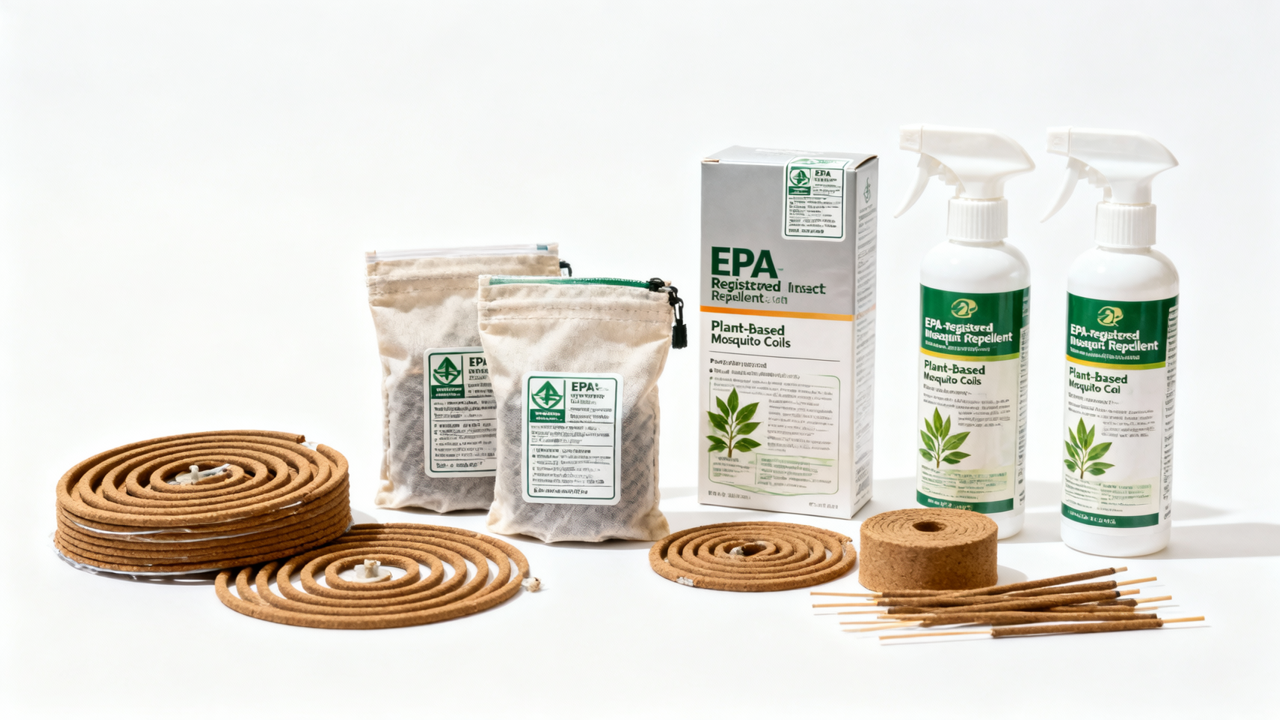
Coils and Incense
Long-burning format ideal for outdoor use. Appeals to consumers seeking passive, continuous protection for patios and gardens.
Pouches and Sachets
Passive diffusion format for indoor protection. Popular in wardrobes, entryways, and windows. High repeat purchase rate.
Sprays and Mists
On-demand protection with immediate effect. The most versatile format and highest-volume seller. Premium positioning for essential oil blends.
Candles and Diffusers
Lifestyle-oriented format that combines pest control with home fragrance. Popular in premium retail and gift markets.
Sourcing Considerations for Wholesale Buyers
Efficacy Validation
Plant-based does not mean ineffective. Request third-party lab efficacy data to verify repellent claims. Our mugwort-based formulations undergo efficacy testing to ensure real-world performance.
Ingredient Transparency
Modern consumers read labels. Ensure your products disclose all ingredients clearly — proprietary blends are acceptable, but hidden chemical additives will damage trust.
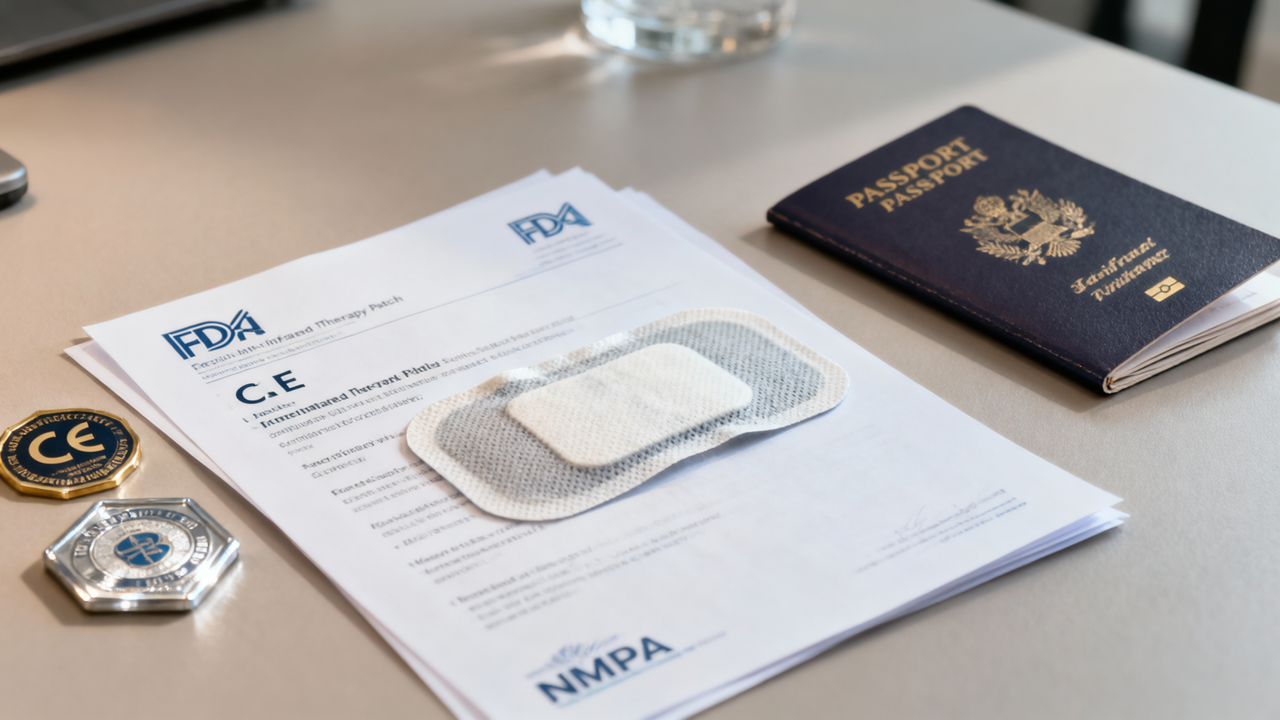
Certification Leverage
Use existing certifications as trust signals. Our EPA-registered production facility (EPA Est. No. 104817-CHN-1) provides the compliance foundation that chemical-free brands need.
Supply Chain Stability
Plant-based active ingredients depend on agricultural supply. Our vertically integrated supply chain — from 1,500+ mu mugwort farm to finished product — ensures supply stability that commodity-sourced ingredients cannot match.
Market Segments with Highest Growth Potential
- Organic and natural retail — Stores like Whole Foods, Sprouts, and regional natural food chains
- Baby and child care — Parents seeking non-toxic repellents for children
- Travel and outdoor — Eco-conscious travelers and outdoor enthusiasts
- Home fragrance crossover — Consumers seeking dual-function products (fragrance + repellent)
- Pet-friendly households — Owners avoiding chemicals that may harm pets
Our Competitive Advantage
As a vertically integrated mugwort manufacturer, we offer unique advantages in the plant-based repellent market:
- Farm-to-factory traceability — We grow the active ingredient ourselves
- EPA-registered production — Compliance for the US market built in
- 15 utility patents — Proprietary processing innovations
- University R&D partnerships — Ongoing efficacy research with Huazhong Agricultural University
- Multi-format capability — Coils, pouches, sprays, and gels from one supplier